
Facts about Sardinia: traditions, symbols and local stories
Five documented facts reveal Sardinia beyond its beaches through voices, instruments, masks, bread and Nuragic architecture.
Canto a tenore, launeddas, Mamuthones, pane carasau and Su Nuraxi express a living culture. Each has a local context and a source you can check.
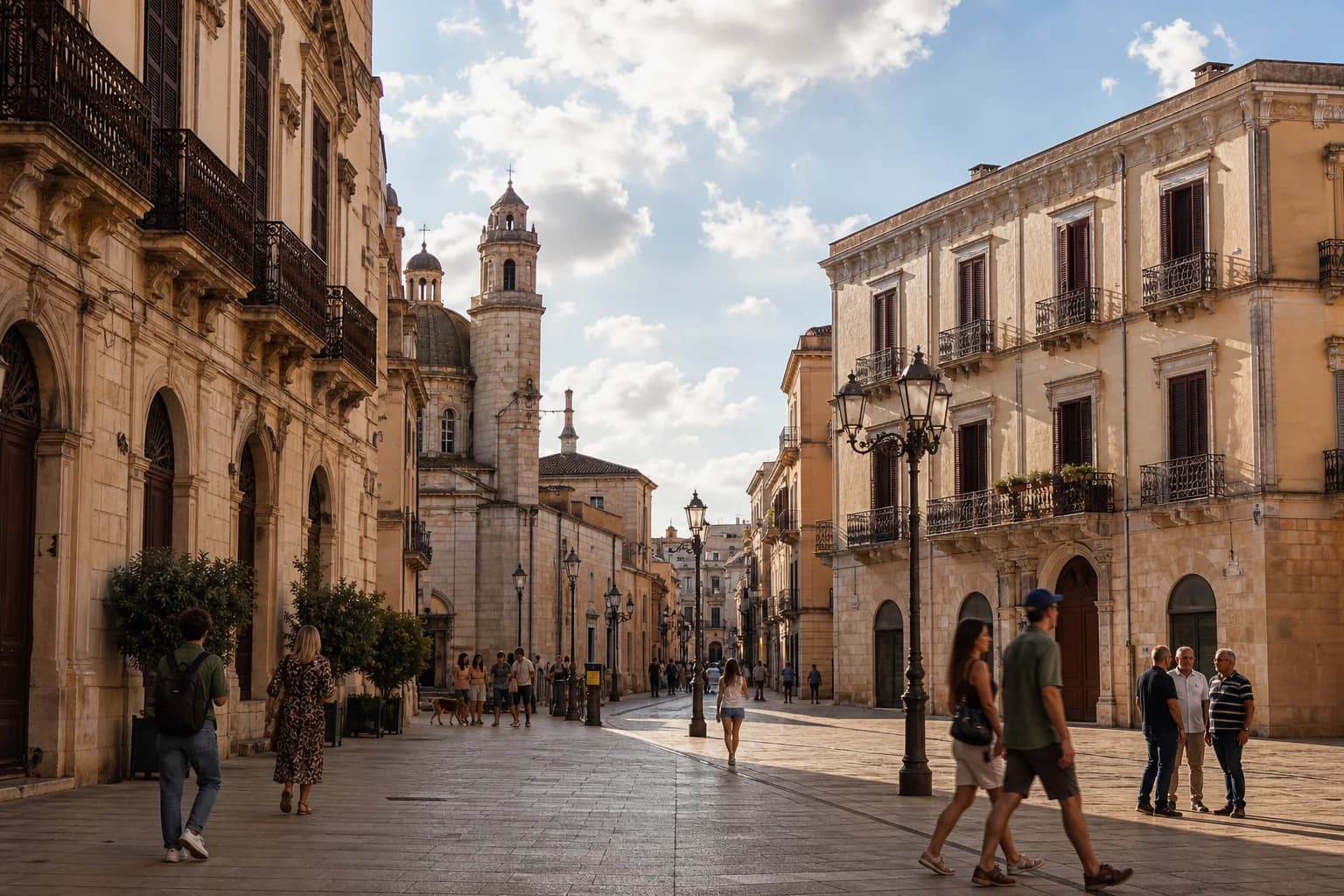
Tradition changes from one town to the next
Sardinia preserves rituals, music and skills with strong local differences. The same season can bring different names, clothing and gestures in neighbouring towns. To understand what you see, read the organiser's programme and listen to explanations from local museums, associations and the community hosting the occasion.
Canto a tenore brings four voices together
Canto a tenore grew within pastoral culture and combines four vocal parts: boghe, mesu boghe, contra and bassu. The soloist carries the text while the other singers create the polyphonic accompaniment. UNESCO placed the tradition on its Representative List of Intangible Cultural Heritage in 2008.
Launeddas are three pipes played at once
Launeddas form a wind instrument made from three reed pipes. Circular breathing lets the musician sustain the sound while weaving melody and accompaniment together. The instrument is heard at celebrations, processions and dances, with teaching traditions and styles connected to different areas of the island.
Mamuthones and Issohadores play different roles
At the Mamoiada carnival, Mamuthones move in dark masks while carrying heavy bells. Issohadores wear red jackets and cast sa soha for a symbolic capture among spectators. The group's formation and rhythm belong to the performance, so visitors should watch without blocking its route.
Pane carasau was made to keep
Pane carasau is thin, crisp and able to remain edible for a long time. That quality mattered to shepherds who stayed away from home. Its process includes a second bake called carasadura, which dries the sheets after the bread has puffed up and been separated.
Su Nuraxi is a system of towers and a village
At Barumini, Su Nuraxi includes a central tower, four connected towers and a settlement that developed around the complex. The site joined the UNESCO World Heritage List in 1997. A guided visit helps distinguish its building phases and the uses of spaces beyond the monumental outline.
Turn a fact into a respectful visit
Choose a museum, workshop or event with official information, then check dates and access before travelling. During a ceremony, avoid flashes, occupied routes and intrusive requests. Continue with a guide to Sardinian festivals, Barbagia or food, while keeping travel distances practical for the same day.
Check what matters now
Check real options for this part of your trip now
Availability and terms can change. Check them before building the rest of your trip around an option that may not work for your dates.
The provider is named when you open the link.
FindSardinia
A similar choice, shared by someone who made it
The Sardinia I wanted beyond the beaches
I wanted to understand local traditions, festivals and everyday culture, not simply find a beautiful beach. The guides gave the trip a clear thread. Each stop felt connected and the island became much more than a backdrop.
Traceable facts
Facts with a traceable source
- Canto a tenore
- Four vocal parts form a pastoral polyphonic tradition placed on UNESCO's Representative List in 2008.SardegnaTurismo — Regione Sardegna
- Pane carasau
- A second bake called carasadura makes the sheets thin and crisp, helping this shepherds' bread keep for a long time.SardegnaTurismo — Regione Sardegna
- Launeddas
- Three reed pipes are played together; circular breathing sustains the sound while combining melody and accompaniment.SardegnaTurismo — Regione Sardegna
- Masks of Mamoiada
- Mamuthones wear dark masks and bells; red-clad Issohadores cast sa soha for a symbolic capture.SardegnaTurismo — Regione Sardegna
- Su Nuraxi
- The Barumini complex includes a central tower, four connected towers and a village; it has been a UNESCO World Heritage site since 1997.UNESCO World Heritage Centre
Sources and update criteria
The sources establish that services exist; timetables and conditions must be checked on the operator website for your travel dates.
- SardegnaTurismo — Regione SardegnaAccessed 8/23/2026
- UNESCO World Heritage CentreAccessed 8/23/2026